
TL;DR
- Tariffs up 25-145% on Chinese imports since early 2026 — most small businesses were caught off guard
- 15-30% cost underestimation because importers forget duties, brokerage fees, and storage charges
- Section 301 + de minimis elimination are the two biggest policy shocks right now
- Odoo automates it all — duty calculations, cost distribution, inventory valuation updates
- 8-12% margin improvement from accurate landed cost tracking
The Hidden Tax on Small Business Growth

"Until recently, I was still importing materials from China and Thailand. Between the de minimis elimination, Section 301 tariffs, the Supreme Court..."
This quote from a r/smallbusiness discussion captures what thousands of small importers are experiencing in 2026. What started as a manageable cost center has become a margin-crushing nightmare.
The numbers tell the story. According to recent trade data, effective tariff rates on Chinese imports now range from 25% to 145% depending on product category. For a small business importing $200,000 annually, that's an additional $50,000-$290,000 in costs that didn't exist three years ago.
What Are Landed Costs (And Why Most Businesses Get Them Wrong)
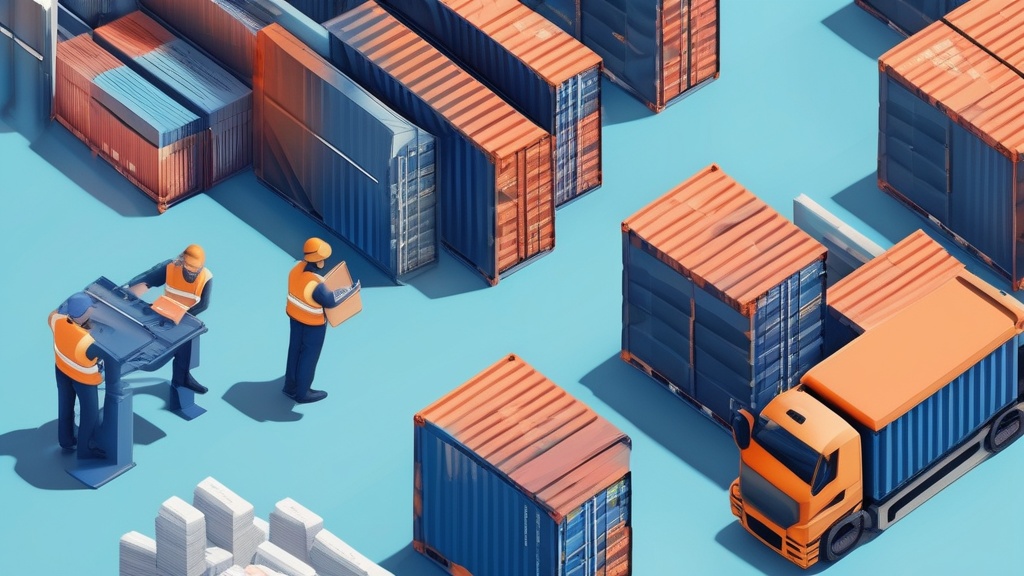
Landed cost is the total price of a product once it has arrived at your warehouse. It includes:
- Product cost: What you paid the supplier
- Freight: Ocean/air shipping to your country
- Insurance: Transit coverage
- Customs duties: Tariffs based on HS codes
- Brokerage fees: Customs broker charges (typically 2.5% of duty amount)
- Port charges: Handling, storage, documentation
- Local delivery: From port to your warehouse
Most small businesses only track the first two. When a Reddit user asked "What unexpected fees hit you when you first imported products?", the 156 upvotes and 47 comments revealed a pattern: importers consistently underestimate total costs by 15-30%.
The 2026 Tariff Landscape: What Changed
Section 301 Tariffs: The Biggest Shock
Section 301 tariffs target specific product categories from China. In 2026, these have expanded to cover:
- Electronics and components: 25-35%
- Textiles and apparel: 15-25%
- Machinery and parts: 25%
- Consumer goods: 10-25%
"The importer pays the tax, so whoever the imported goods are being shipped to. When we import inventory, DHL or UPS sends us a bill for the customs duties that generally have to be paid before the shipment will be delivered." This r/smallbusiness explanation with 203 upvotes shows how unprepared most businesses are.
De Minimis Elimination: The Death of Duty-Free Small Shipments
Previously, shipments under $800 entered the US duty-free. That exemption is gone. For ecommerce businesses using direct-from-China fulfillment, this is existential. A $50 product now carries $12.50-$72.50 in additional duty.
How to Calculate Your True Landed Costs
Here's the formula most accountants won't teach you:
Landed Cost per Unit = (Product Cost + Freight + Insurance + Duties + Brokerage + Port Fees) / Total Units
Example: You import 1,000 widgets at $10 each ($10,000), pay $2,000 freight, $500 insurance, 25% duty ($2,500), $200 brokerage, and $300 port fees.
Total landed cost: $15,500. Per unit: $15.50 — not $10.
If you're selling at $20 with a perceived 50% margin, your actual margin is 22.5%. That's the difference between profitable and closing shop.
How Odoo Automates Landed Cost Tracking

Odoo's Inventory module has built-in landed cost functionality that most users never enable. Here's how it works:
Step 1: Configure Landed Cost Types
In Inventory > Configuration > Landed Cost Types, create categories for:
- Freight
- Customs duties
- Insurance
- Brokerage fees
- Port charges
Step 2: Apply to Incoming Shipments
When a shipment arrives, create a Landed Cost record and link it to the receipt. Odoo distributes the additional costs across all products in the shipment based on your chosen method:
- By value (default)
- By quantity
- By weight
- By volume
Step 3: Automatic Valuation Update
Once validated, Odoo updates the product cost and inventory valuation automatically. Your COGS reports now reflect true costs, not fantasy numbers.
Real Results: What Accurate Landed Cost Tracking Delivers

Businesses that implement proper landed cost tracking see:
- 8-12% margin improvement from accurate product costing
- 15-20% reduction in pricing errors
- 100% compliance with customs documentation requirements
- Real-time visibility into true product profitability
FAQ
What is the de minimis threshold for imports in 2026?
The $800 de minimis exemption for imports into the United States was eliminated in 2026. All commercial shipments now require formal customs entry and are subject to applicable duties and tariffs regardless of value.
How do I find the correct HS code for my products?
Use the US Harmonized Tariff Schedule search tool or consult a licensed customs broker. The first 6 digits are harmonized globally, while digits 7-10 are country-specific. Incorrect HS codes are the #1 cause of customs delays and penalty assessments.
Can Odoo handle multi-currency landed costs?
Yes. Odoo's landed cost functionality works with multi-currency environments. When you create a landed cost in EUR, GBP, or CNY, Odoo converts it using the exchange rate at the transaction date and distributes the converted amount across your inventory valuation.
What happens if I don't track landed costs?
Without landed cost tracking, your product margins are overstated by 15-30%. This leads to underpricing, cash flow problems, and potential tax issues. Inaccurate inventory valuation also distorts your balance sheet and makes your business less attractive to investors or buyers.
How often should I update landed cost calculations?
Update landed costs for every incoming shipment. Tariff rates, freight costs, and exchange rates fluctuate constantly. Using outdated averages can create significant valuation errors. Odoo's automated landed cost feature makes per-shipment updates practical even for high-volume importers.
The Bottom Line
Tariffs aren't going away. The businesses that survive 2026 will be the ones that accurately track every cost from factory floor to warehouse shelf. Those that keep guessing will discover their "profitable" products were actually loss leaders — too late.
Tired of Manual Customs Calculations?
Stop guessing landed costs and chasing HS codes across spreadsheets. The Customs Duties Add-on automates duty calculations, validates HS classifications, and tracks every import cost — directly inside Odoo.