
TL;DR
- Odoo in the Philippines: Odoo ranks among the top 5 ERP systems for Philippine businesses in 2026, competing with SAP, NetSuite, and Dynamics 365.
- EDI Automation: EcoSafe Zero Waste unified EDI and order workflows using Odoo and SPS Commerce, eliminating manual data entry.
- Partner Growth: SDLC Corp became an Odoo Ready Partner, expanding global implementation capacity across the US, UK, UAE, India, and Qatar.
- ERP Market Shift: Oracle's Fusion Cloud ERP reportedly surpassed SAP in certain revenue metrics, fueled by 70%+ cloud infrastructure growth.
- Warehouse Modernization: Zebra's Warehouse Vision Study reveals that warehouse leaders are accelerating automation and visibility investments for 2026.
The ERP and warehouse technology landscape keeps evolving at speed. From Odoo's growing footprint in Southeast Asia to major competitive shifts between Oracle and SAP, this week delivered several stories worth tracking. Here is what mattered between May 25 and May 31, 2026.
Odoo Ranks Among Top 5 ERP Systems in the Philippines for 2026
On May 25, 2026, Odoo published a new business hacks post comparing the top ERP platforms for growing Philippine businesses. The analysis positions Odoo alongside SAP, Oracle NetSuite, Microsoft Dynamics 365, and Acumatica as the leading choices for the region.
The post highlights that Philippine SMEs are increasingly prioritizing cloud-first architecture, localized tax compliance, and modular pricing when selecting an ERP. Odoo's open-source foundation and app marketplace are cited as key differentiators for businesses that want to start small and expand functionality without replatforming.
For Odoo partners and implementation firms, the Philippine market represents a high-growth opportunity. With rising digital adoption across manufacturing, retail, and services sectors in the region, demand for affordable yet scalable ERP solutions is climbing steadily. The Philippines has one of the fastest-growing economies in Southeast Asia, and businesses there are looking for systems that can handle local tax regulations like VAT while integrating with global supply chains.
Odoo's modular approach is particularly well-suited to this market. A Philippine manufacturer can start with Inventory and Manufacturing modules, then add Accounting, Sales, and HR as the business scales. This pay-as-you-grow model reduces upfront risk and aligns software costs with business maturity.
EcoSafe Zero Waste Unifies EDI and Order Workflows with Odoo
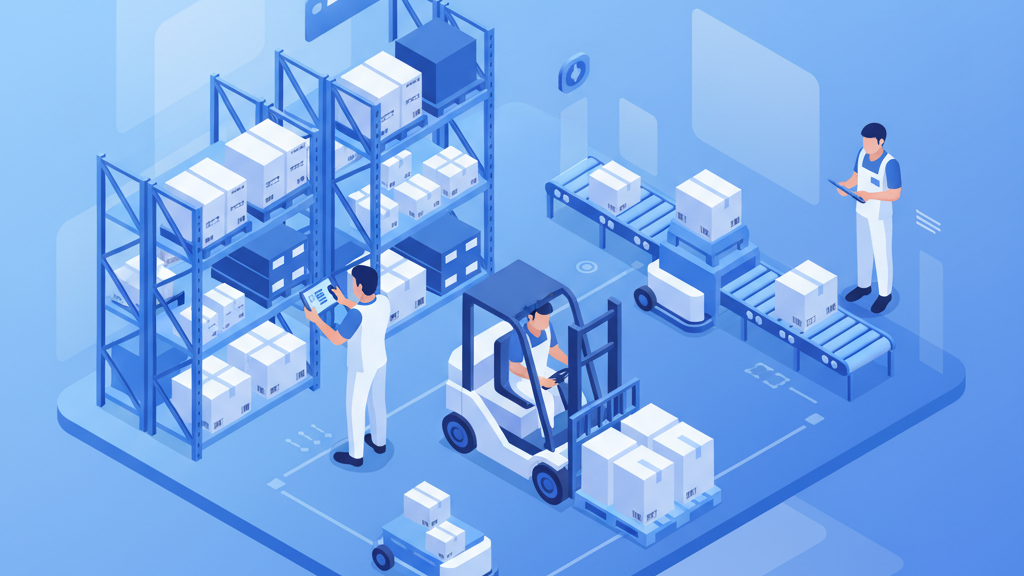
Odoo's customer reviews blog featured EcoSafe Zero Waste on May 21, 2026, detailing how the sustainable packaging company unified its EDI and order workflows using Odoo integrated with SPS Commerce. The implementation enabled fully mapped, automated EDI transactions directly inside Odoo.
Before the integration, EcoSafe handled purchase orders, shipping notices, invoices, and inventory adjustments through fragmented manual processes. The new setup automates these transactions end-to-end, reducing data entry errors and accelerating order cycle times. Purchase orders from retail partners now flow directly into Odoo Sales and Inventory modules without manual rekeying.
This case study is a practical blueprint for any wholesale or distribution business struggling with EDI complexity. It demonstrates that Odoo's flexibility extends beyond standard modules into specialized B2B data exchange workflows, particularly when paired with robust integration platforms. For companies in consumer goods, food and beverage, or any sector where retail compliance mandates EDI, this approach eliminates the need for separate EDI translation software.
The integration also means that shipping notices and invoices generated in Odoo automatically conform to partner-specific EDI standards. This reduces chargebacks, improves vendor scorecards, and frees operations staff to focus on exceptions rather than routine document processing.
SDLC Corp Becomes Odoo Ready Partner
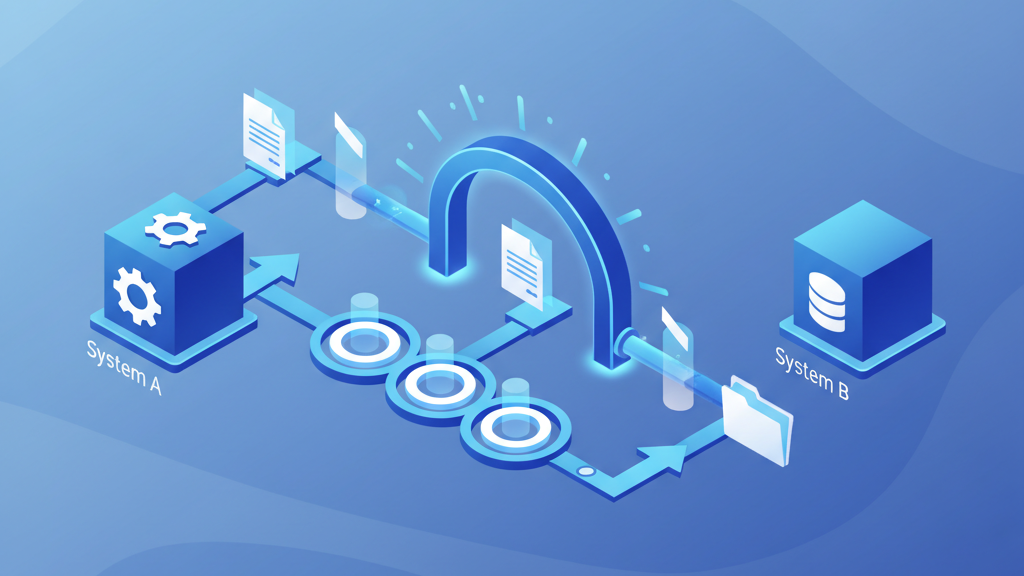
On May 14, 2026, SDLC Corp announced its approval as an Odoo Ready Partner, strengthening its ERP implementation and customization services worldwide. The global technology consulting firm now delivers Odoo projects across the United States, United Kingdom, United Arab Emirates, India, and Qatar.
The partnership signals continued expansion of Odoo's certified partner network at a time when enterprise demand for open-source ERP is rising. SDLC Corp's client roster includes universities, government departments, and technology startups, suggesting Odoo is penetrating beyond traditional SME boundaries into larger institutional deployments.
For existing Odoo users, a broader partner ecosystem means more specialized implementation expertise, localized support, and faster access to certified developers for custom module work. When a business needs a custom connector to a local payment gateway or a specialized manufacturing workflow, having a certified partner in your region can mean the difference between a six-week project and a six-month struggle.
The Odoo Ready Partner tier is specifically designed for firms that have demonstrated technical competency and successful project delivery. This gives end customers confidence that their implementation partner understands both Odoo's architecture and the practical realities of ERP rollout in complex organizations.

Oracle Fusion Cloud ERP Surpasses SAP in Key Revenue Metrics
Industry trackers reported in May 2026 that Oracle's Fusion Cloud ERP has gained enough market share to surpass SAP in certain ERP revenue metrics. Oracle's cloud infrastructure revenue is projected to grow more than 70% in fiscal 2026, with total revenue guidance approaching $67 billion.
The shift reflects Oracle's aggressive cloud-first strategy and its success in migrating legacy customers to Fusion Cloud ERP. Analysts note that Oracle averages $132,500 in revenue per customer compared to $91,800 for SAP, indicating a focus on larger enterprise deals. Oracle has also leveraged its database dominance to bundle cloud infrastructure with ERP applications, creating stickier relationships with Fortune 500 customers.
For mid-market businesses evaluating ERP options, this competitive dynamic matters. SAP continues to lead in overall global ERP market share, but Oracle's momentum in cloud ERP suggests the market is fragmenting. Odoo's open-source model remains an attractive counter-position for companies that want enterprise functionality without enterprise lock-in or pricing.
The battle between Oracle and SAP also highlights a broader trend: the ERP market is splitting into two camps. At the high end, Oracle and SAP compete for massive enterprises with complex multi-national requirements. At the mid-market and below, open-source and cloud-native platforms like Odoo are capturing businesses that prioritize flexibility, speed of implementation, and total cost of ownership.

Zebra Warehouse Vision Study: Modernization Accelerates for 2026
A new analysis based on Zebra Technologies' Warehouse Vision Study reveals that warehouse leaders are accelerating modernization plans as they navigate labor constraints, rising operational costs, and growing expectations for speed and accuracy. The study finds that a majority of warehouse operators plan to increase automation investments heading into 2026.
Key focus areas include real-time inventory visibility, mobile worker enablement, and integration between warehouse management systems and robotics. The research also notes that 70% of warehouse workers express safety concerns, making ergonomic automation and collaborative robotics a priority alongside pure efficiency gains.
For Odoo Inventory and Warehouse users, these trends reinforce the importance of barcode accuracy, real-time stock tracking, and mobile-friendly interfaces. As warehouses add automation layers, the ERP system serving as the data backbone must keep pace with event-driven architectures and API-first connectivity. A warehouse management system that cannot push real-time stock updates to an ERP will create data gaps that undermine automation ROI.
The study also points to a skills gap. As warehouses adopt more technology, the demand for workers who can operate mobile devices, interpret dashboard data, and troubleshoot barcode systems is outpacing supply. This makes intuitive user interfaces in ERP and WMS software a competitive advantage in hiring and retention.

What This Means for Odoo Users
- Geographic expansion creates opportunity. Odoo's recognition in markets like the Philippines means more localized apps, tax localizations, and language packs are becoming available.
- EDI is no longer an enterprise-only feature. The EcoSafe case proves that mid-market Odoo users can automate B2B document exchange without expensive middleware.
- Partner network growth reduces implementation risk. More certified partners means better access to specialized expertise for complex rollouts.
- Cloud ERP competition benefits buyers. As Oracle and SAP battle for enterprise share, Odoo's transparent pricing and modular approach become even more compelling for growth-stage businesses.
- Warehouse automation demands better data foundations. Real-time inventory accuracy in Odoo is the prerequisite for any robotics or AMR investment.
Bottom Line
This week underscored a consistent theme: ERP is becoming more connected, more automated, and more geographically distributed. Whether through EDI integrations in Odoo, partner network expansion, or warehouse modernization driven by labor pressures, the businesses that treat their ERP as a living platform rather than a static system will capture the most value in 2026.
Staying current with these developments is not just about technology awareness. It is about recognizing where the market is heading and aligning your systems roadmap accordingly. The companies that invest in flexible, integrated platforms today will be the ones best positioned to adapt when the next wave of AI-driven automation arrives.
References
- Odoo Blog: The Top 5 ERP Systems in the Philippines for 2026 (May 25, 2026)
- Odoo Blog: EcoSafe Zero Waste Unifies EDI and Order Workflows with Odoo (May 21, 2026)
- EIN Presswire: SDLC Corp Becomes Odoo Ready Partner (May 14, 2026)
- International Business Times: Oracle vs SAP Stocks 2026 (May 2026)
- Infios: How Warehouses Are Modernizing for 2026 and Beyond (May 2026)
- Zebra Technologies: Warehousing Vision Study (2026)